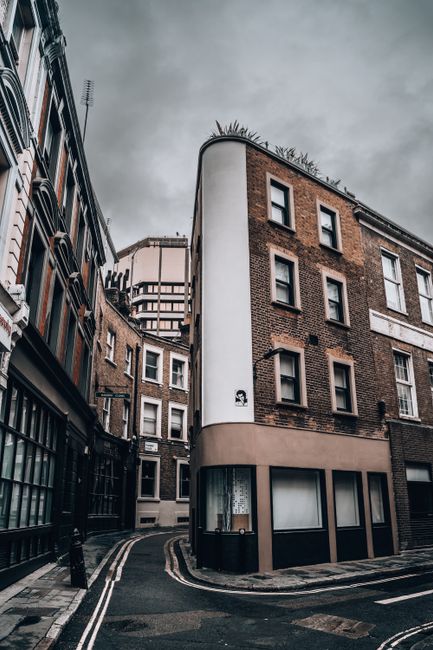
Clapham Common Removals Tips for Narrow London Streets
If you are planning a move near Clapham Common, you already know the tricky bit is rarely the sofa or the kettle. It is the street itself. Tight parking, rows of terraced houses, awkward corners, impatient traffic, and the odd double-parked car can turn a simple removal into a juggling act. These Clapham Common removals tips for narrow London streets are designed to help you move smarter, reduce delays, and protect both your belongings and your sanity.
In this guide, we cover what makes local moves so different, how to plan for access issues, which vehicle choices make sense, and the practical steps that keep the day running smoothly. You will also find a clear checklist, a comparison table, and a few real-world observations from the kind of streets where every metre matters. Truth be told, a good move here is mostly about preparation.
Expert summary: The best narrow-street move is not the one with the biggest truck. It is the one with the best timing, the cleanest packing, and the fewest surprises.
Table of Contents
- Why Clapham Common removals tips for narrow London streets Matters
- How Clapham Common removals tips for narrow London streets Works
- Key Benefits and Practical Advantages
- Who This Is For and When It Makes Sense
- Step-by-Step Guidance
- Expert Tips for Better Results
- Common Mistakes to Avoid
- Tools, Resources and Recommendations
- Law, Compliance, Standards, or Best Practice
- Options, Methods, or Comparison Table
- Case Study or Real-World Example
- Practical Checklist
- Conclusion
- Frequently Asked Questions
Why Clapham Common removals tips for narrow London streets Matters
Clapham Common sits in a part of London where residential streets can be deceptively difficult for moving day. Many roads are narrow, parking is limited, and traffic can build quickly around school runs, commuter times, and weekend activity. Even a short delay can snowball into a longer loading window, more carrying distance, and higher labour effort. That is where careful planning pays off.
For anyone using a man and van service or arranging a larger home move, narrow-street logistics are not a side issue. They are the main event. A van parked fifty metres away may not sound like much, but in rain, with a heavy wardrobe, it absolutely is. And if you are moving up or down stairs too, the effort multiplies fast. Small street, big impact.
It also matters because the wrong setup can increase the risk of damage. Tight turns, low branches, kerbs, and hurried lifts are a nasty combination. A move that is well planned from the start will usually feel calmer, more efficient, and noticeably less chaotic by late morning.
How Clapham Common removals tips for narrow London streets Works
The practical idea is simple: reduce friction before moving day. The narrower the street, the more every decision matters. Vehicle size, parking distance, packing style, arrival time, and the order of loading all affect how hard the move will feel.
In a typical Clapham Common move, the process often looks like this:
- Assess access at both addresses.
- Choose a vehicle that can safely reach the property without blocking traffic.
- Reserve or clear parking space where possible.
- Pack items in a way that speeds up carrying and stacking.
- Load the vehicle in a sensible sequence, usually heavier items first.
- Move quickly but carefully, keeping an eye on pedestrians, cyclists, and parked cars.
If you need help with boxes, wrapping, and room-by-room organisation, packing and unpacking support can save a surprising amount of time. To be fair, it is often the difference between a move that feels controlled and one that feels like everything is happening at once.
A good mover will also think about access from both ends of the journey. A narrow street at the collection point is one challenge; a narrow street at delivery is another. You do not want to discover the second problem after the first one is already draining your energy. That happens more than people expect, and it is never fun.
Key Benefits and Practical Advantages
Using the right approach for a Clapham Common move brings several real-world advantages. Some are obvious. Others only become obvious once you have lived through a stressful one.
- Less physical strain: Shorter carrying distances reduce fatigue and make lifting safer.
- Faster loading and unloading: Efficient planning keeps the schedule under control.
- Lower risk of damage: Better packing and route planning protect furniture, walls, and door frames.
- Fewer parking problems: A smaller or better-positioned vehicle is easier to manage on narrow roads.
- Better communication: Clear instructions help everyone know where to park, what to move first, and how to handle bulky items.
- Less stress: This one is huge. Moving day already asks enough of you.
There is also a budget angle. Moves on tight streets can become more expensive when they take longer than expected. A smarter setup may reduce labour time and help you avoid having to repeat trips. If you are comparing quotes, it is worth checking pricing and quote options alongside the access plan, not just the headline price.
Who This Is For and When It Makes Sense
These tips are especially useful if you are:
- moving into or out of a flat near Clapham Common;
- living on a terraced road with limited curb space;
- moving bulky furniture through shared entrances or stairwells;
- trying to reduce disruption for neighbours and other road users;
- working to a narrow time window, such as a completion day or tenancy handover;
- moving a small office or studio and need a practical loading setup.
They also make sense if you have fragile items, awkward furniture, or a property with tight internal access. A big dining table in a compact Victorian house is a very different problem from a few boxes and a couple of suitcases. Anyone who has tried to pivot a mattress around a banister at 8:15 on a damp morning will know exactly what I mean.
If your move is business-related, the same narrow-street principles still apply. In that case, a well-organised commercial move can prevent delays that affect staff, clients, or opening hours. For home moves, the same careful approach is often available through home moving support or a more hands-on house removalist setup.
Step-by-Step Guidance
Here is a straightforward way to handle removals on narrow London streets without making the day harder than it needs to be.
1. Measure access before you do anything else
Check the width of the street, the turning space, kerb access, and whether a van can park near your front door without blocking traffic. Also look at the front path, hallway, stairs, and any tight internal corners. One missing measurement can cause avoidable scrambling later.
2. Match the vehicle to the street, not your wishlist
People sometimes assume a larger truck is always better. Not here. On narrow roads, a slightly smaller van that can park closer may save time and reduce stress. If you are unsure, a moving truck may work for larger loads, but only if access genuinely allows it.
3. Plan parking early
Parking is not a small detail in Clapham Common. It is one of the main details. If the vehicle has to sit around the corner, you need a plan for carrying distance and team movement. Keep a reserve spot in mind, and avoid leaving it to luck. Luck, as you may have noticed, is not a transport strategy.
4. Pack for speed and stability
Use consistent box sizes where possible. Label boxes clearly by room and priority. Put fragile items in a way that makes them easy to identify. If your boxes are overfilled, the carrying process slows down and the risk of drop damage rises. That is a very common mistake.
5. Load heavy items first and stack intelligently
Start with the heaviest and most stable items, then build around them. Softer, lighter items can fill gaps. Keep fragile boxes visible and secure. A properly loaded van is faster to unload and much less likely to shift in transit.
6. Keep a clear path at both properties
Hallways tend to become bottlenecks. Remove loose rugs, shoes, small tables, and anything that narrows the walkway. It sounds obvious, yet in real moves this step is often forgotten until the first awkward trip. The home instantly feels half a metre smaller.
7. Allow extra time for the final handover
On a tight schedule, even a small delay can upset everything. Build in margin for traffic, a second parking attempt, or a difficult item that refuses to fit through the door on the first try. A little slack helps a lot.
Expert Tips for Better Results
These are the details people often miss until they have already had a stressful move. They are simple, but they matter.
- Move at quieter times if you can. Early morning can be calmer for parking and loading, especially on residential streets.
- Protect door frames and corners. A bit of padding goes a long way in older London properties.
- Use furniture blankets and straps. They keep items secure and reduce scuffs.
- Separate essentials. Keep chargers, documents, medication, snacks, and one kettle-box in a separate, easy-to-reach bag.
- Prepare for stair carries. If there is no lift, reduce box weight and keep two-person lifts for awkward items.
- Have a neighbour-friendly plan. Try to keep entrances clear and reduce noise where possible. It helps more than people think.
If you need a more flexible setup for a short-notice move, a man with van arrangement is often a practical fit. For heavier or larger loads, removal truck hire may be better when the street and access conditions allow it.
A small but useful tip: keep one person acting as the "street spotter" if space is really tight. Their job is to watch for cars, cyclists, and pedestrians while the lifting team focuses on moving. It sounds a bit overly organised, maybe, but on a busy London road it works.
Common Mistakes to Avoid
Most narrow-street moving headaches come from a handful of predictable mistakes. If you avoid these, you are already ahead of the game.
- Booking the wrong-sized vehicle: Too large can mean poor access; too small can mean multiple trips.
- Ignoring parking constraints: A great moving plan collapses if the vehicle cannot stop safely nearby.
- Underestimating carrying distance: Fifty metres is fine on paper and tiring in practice.
- Packing heavy boxes badly: Overloaded boxes slow everything down and are unpleasant to carry.
- Leaving disassembly too late: Beds, wardrobes, and large tables take longer than expected.
- Not preparing the property: Clutter in hallways causes avoidable bottlenecks.
- Forgetting the delivery address: Some people plan the pickup in detail and then hope the new place will somehow sort itself out. It won't.
Another common issue is assuming all moving services work in the same way. They do not. The best option depends on the access, volume, and urgency of the move. For a smaller domestic job, the flexibility of a man and van service may be ideal. For a larger home or multiple bulky items, a fuller moving setup can be the safer call.
Tools, Resources and Recommendations
You do not need a van full of specialist kit to move well, but a few practical items make a visible difference.
- Sturdy boxes: Better than random mixed containers that collapse under pressure.
- Packing tape and labels: Fast identification saves time during unloading.
- Furniture blankets: Useful for protecting polished surfaces and corners.
- Straps and trolleys: Helpful for heavy white goods or awkward loads.
- Old towels or wraps: Handy for quick protection on a tight budget.
- Doorway protectors: Worth considering in tight hallways or older properties.
If you are moving items out rather than in, such as a sofa, wardrobe, or unwanted table, a furniture pick-up service can be a practical option. It keeps bulky pieces out of the way and can make the rest of the move much easier.
For environmentally minded movers, it is also worth thinking about reuse and disposal from the beginning rather than as an afterthought. A sensible move is not just about getting things from A to B; it is also about reducing waste, protecting useful items, and avoiding last-minute dumping. Small thing, big difference.
For more detail on how a provider handles care, safety, and responsibility, you may also want to look at insurance and safety information and the company's recycling and sustainability approach.
Law, Compliance, Standards, or Best Practice
When a move involves public roads, shared access, or household lifting, best practice matters. While specific parking arrangements and local restrictions can vary, the broad principle is consistent: do not obstruct traffic, do not create avoidable risk, and do not assume you can block a narrow street without consequences.
Professional movers should operate with care around loading, handling, and traffic flow, and they should be transparent about the service being provided, the scope of work, and any limitations. If you are comparing providers, it is sensible to look at their stated approach to health and safety, payment handling through payment and security, and the written terms that govern the job via terms and conditions.
If anything feels unclear, ask before moving day. That is not being difficult. That is being sensible. A reputable provider should be able to explain how they approach access, delays, waiting time, and item handling in plain English. If you want to know more about the company behind the service, its about us page is a good place to start.
Options, Methods, or Comparison Table
Different moves call for different setups. Here is a simple comparison to help you think through the choice.
| Option | Best for | Strengths | Watch-outs |
|---|---|---|---|
| Man and van | Smaller home moves, single-room moves, flexible access | Quick, adaptable, often easier on narrow streets | May not suit very large loads or many bulky items |
| House removalists | Full household moves, heavier furniture, more packing | More support, better for complex moves | Can require more planning and clear access |
| Moving truck hire | Larger loads with good street access | Good capacity, efficient for bigger jobs | May be awkward on the narrowest roads |
| Removal truck hire | Moves that need substantial loading space and organised handling | Useful for bigger items and structured loading | Needs careful access assessment beforehand |
The right choice often comes down to the street, not just the stuff. A compact service that fits the road can outperform a bigger vehicle that creates parking headaches. Sometimes the "smarter" option looks smaller on paper. That is fine. In moving, small can be mighty.
Case Study or Real-World Example
Here is a realistic example. A couple moving from a first-floor flat near Clapham Common had a narrow street, no lift, and a collection of awkward furniture: bed frame, chest of drawers, desk, a mirror, and several boxes of books. Nothing unusual, but enough to make the day messy if handled badly.
Instead of arriving with a large vehicle and hoping for the best, they checked access in advance, separated fragile items, and packed the books into smaller boxes. They also cleared the hallway and kept the essential items bag close by. A slightly smaller vehicle was used so it could stop nearer the building without blocking the road for long.
The difference was immediate. The carry distance stayed manageable, the stairwell remained uncluttered, and there was no frantic reshuffling of furniture on the pavement. The whole thing still took effort, of course. Moving always does. But it was orderly, and that matters. By late afternoon, the flat looked empty in that satisfying, echoey way you only get after a proper move.
What made it work was not one magic trick. It was a chain of small, sensible decisions.
Practical Checklist
Use this checklist the day before and the morning of your move.
- Measure access at both addresses.
- Confirm where the vehicle can stop safely.
- Check for stairs, lifts, low ceilings, and tight corners.
- Label all boxes by room and priority.
- Pack fragile items separately and clearly.
- Empty hallways, landings, and doorways.
- Disassemble bulky furniture where possible.
- Keep a small essentials bag with documents and chargers.
- Protect floors, walls, and door frames if needed.
- Allow extra time for traffic and parking.
- Tell neighbours if access may be briefly affected.
- Have water and snacks ready. It sounds minor, but you will be glad of them.
Quick takeaway: on narrow Clapham Common streets, the move gets easier when you reduce carrying distance, choose the right vehicle size, and pack with the road in mind.
For a move that needs hands-on support from start to finish, you may also want to explore home moving support and related service details before you book.
Conclusion
Moving around Clapham Common does not have to feel like a street-by-street obstacle course. With the right planning, the right vehicle, and a little respect for how narrow London streets actually behave, the whole day becomes much easier to manage. The key is to think ahead about parking, carrying distance, packing style, and access at both ends.
Use these tips to make your move calmer, safer, and less rushed. And if you are still deciding on the best option for your property, furniture, and street layout, take a breath, look at the access again, and choose the setup that makes the journey simpler. That is usually the right answer, even if it is not the flashiest one.
Get a free quote today and see how much you can save.
Frequently Asked Questions
What makes Clapham Common removals harder than a typical London move?
The main challenge is the combination of narrow streets, limited parking, and busy local traffic. That means vehicle choice, loading distance, and timing matter more than usual.
Is a man and van service enough for a move near Clapham Common?
Often, yes, especially for smaller homes, flat moves, or a few bulky items. If you have a large household load, you may need something more structured.
Should I book a bigger vehicle to save time?
Not always. On narrow streets, a larger vehicle can be harder to park and may slow things down. The best option is the one that fits the road and the load.
How far in advance should I plan parking for moving day?
As early as possible. At the very least, you should know where the vehicle can stop and what the fallback plan is if the first spot is taken.
What should I do if my street is too narrow for a large van?
Choose a smaller vehicle, split the load, or arrange for a shorter carry from a safer stopping point. It is better to adapt the plan than force the wrong vehicle into the street.
How can I protect my furniture in a narrow hallway?
Use blankets, padding, and careful lifting. Clearing hallways and removing small obstacles also helps a lot. Old Victorian corners can be unforgiving, to be fair.
What are the most common mistakes people make on moving day?
The biggest ones are poor packing, ignoring access issues, underestimating carrying distance, and choosing the wrong vehicle size.
Do I need professional help for a small flat move?
Not always, but professional help can still be worth it if parking is tight, furniture is heavy, or you want the move done faster and more safely.
How can I make moving day less stressful?
Pack early, label clearly, keep essentials separate, and build in extra time. A tidy plan usually feels calmer from the first box to the last.
What if my new place has narrow stairs or no lift?
Then box weight, furniture disassembly, and careful route planning become very important. Smaller boxes are usually a good idea, especially for books.
Are there any safety checks I should ask about before booking?
Yes. Ask how the company handles access, item protection, liability, and general safety procedures. Clear answers are a good sign.
Can moving help also include packing or disposal of unwanted furniture?
Yes, in many cases. Services such as packing support and furniture pick-up can make the move more manageable and reduce clutter before the van arrives.
What is the best first step if I am moving near Clapham Common soon?
Start with access. Measure the street, check parking, and decide what size vehicle or level of help is realistic. Once that is clear, the rest usually falls into place more easily.