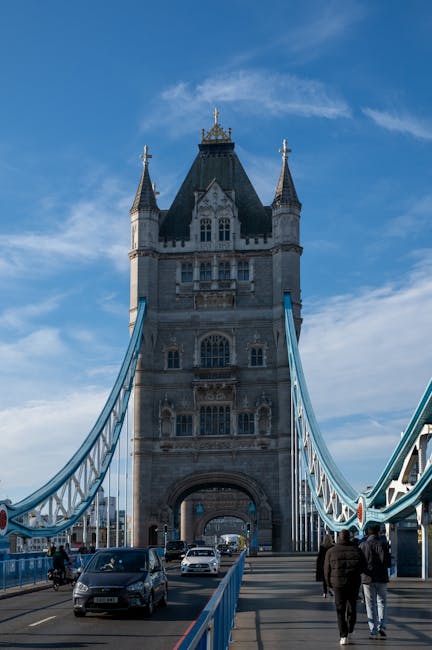
Moving near Tower Bridge: access tips for London moves
Moving near Tower Bridge can feel simple on a map and complicated in real life. Roads are busy, access can be tight, and even a short distance move can become slower if you do not plan for loading, parking, and building entry properly. If you are arranging a home or business move in this part of London, the difference between a smooth day and a stressful one usually comes down to logistics.
This guide explains the practical side of moving near Tower Bridge: access tips for London moves, from vehicle planning and timing to building restrictions, lift access, and the sort of details that are easy to miss until moving day. Whether you are relocating a flat, a townhouse, or an office, you will find realistic advice that helps you reduce delays, protect your belongings, and make better decisions before the van arrives.
For many local moves, the right service makes all the difference. If you need flexible support for a smaller or more complex move, a man and van service in London can be a practical choice. For larger households or more demanding relocations, you may want to compare home moving support with house removalists so you can match the team to the access conditions.
Table of Contents
- Why Moving near Tower Bridge: access tips for London moves Matters
- How Moving near Tower Bridge: access tips for London moves Works
- Key Benefits and Practical Advantages
- Who This Is For and When It Makes Sense
- Step-by-Step Guidance
- Expert Tips for Better Results
- Common Mistakes to Avoid
- Tools, Resources and Recommendations
- Law, Compliance, Standards, or Best Practice
- Options, Methods, or Comparison Table
- Case Study or Real-World Example
- Practical Checklist
- Conclusion
- Frequently Asked Questions
Why Moving near Tower Bridge: access tips for London moves Matters
Tower Bridge sits in one of the most active parts of central London, where tourist traffic, commuter flow, river crossings, and tight street layouts all compete for space. That matters because moving is not just about transport. It is about access: where the van stops, how long it can stay there, whether lift access is available, and how quickly items can be moved from vehicle to property.
In an area like this, a poorly planned move can lead to avoidable problems:
- delays because the vehicle cannot pull in safely
- extra carrying distance from a distant parking bay
- restricted access during peak traffic hours
- building management asking for move times to be kept within set windows
- stress for neighbours, porters, or reception staff if the move is not coordinated
There is also a simple commercial truth. If access is awkward, the job usually takes longer. That does not mean it is unmanageable; it just means the plan needs to be sharper. A well-organised move near Tower Bridge can still be efficient, but it rewards preparation more than a standard suburban relocation.
Expert summary: around Tower Bridge, access planning is not a nice-to-have. It is the main factor that decides whether your move runs to schedule or slips into unnecessary delays.
This is especially relevant if you are comparing service types. For example, a smaller van may be easier to position on narrow streets than a larger lorry, while a full moving truck may make sense only if the property access is suitable. In some cases, removal truck hire is the right call; in others, the leaner option is better simply because the street layout gives you less room to work.
How Moving near Tower Bridge: access tips for London moves Works
A good London move near Tower Bridge starts long before the collection time. The process usually involves three layers of planning: route access, property access, and carrying access. If any one of these is ignored, the rest of the operation becomes harder.
1. Route access
This is the journey to the property. In central London, the fastest route on a normal day may not be the best route on moving day. One-way systems, busier junctions, delivery vehicles, and temporary road activity can all change how a van approaches the area. Good planning means allowing time for traffic and knowing where the vehicle can realistically enter and exit.
2. Property access
This is about the actual building. Ask basic but important questions: Is there a loading bay? Can a van stop outside? Is there a reception desk or concierge? Is there a lift large enough for furniture? Are there time restrictions for moves? If you are moving into or out of a managed block, the building may require advance notice, booked lift times, or protective floor coverings.
3. Carrying access
Even when a van can stop nearby, the real challenge may be the distance between the vehicle and the door. A short carry is ideal. A long carry across a busy pavement is slower and more tiring. For awkward items such as wardrobes, mattresses, desks, or appliances, a longer carry can also increase the risk of knocks and minor damage.
That is why many people choose a service that is comfortable working in dense urban conditions. A flexible man with van solution can be better suited to narrow access and short-notice logistics than a large rigid operation. For business moves, office relocation services can be particularly useful where access needs to be timed around opening hours and building rules.
Truth be told, the best move near Tower Bridge is usually the one that looks boring on paper. No surprises. No guessing. No van circling the block while everyone checks their phones.
Key Benefits and Practical Advantages
Getting the access plan right gives you more than convenience. It changes the whole shape of the move.
- Less waiting time: the team can load and unload without searching for parking or changing the plan mid-job.
- Lower risk of damage: shorter carries and clearer routes reduce the chance of scuffs, dings, and dropped items.
- Better cost control: fewer delays usually mean a more efficient job overall.
- Less neighbour friction: a controlled move is quieter, tidier, and less disruptive.
- More reliable scheduling: important if you are working around completion times, building access windows, or office opening hours.
There is another benefit people often overlook: confidence. When you know where the vehicle will stop and how the team will bring items in, the whole day feels less chaotic. And moving days are chaotic enough already.
Access planning also helps with service matching. If you need only a few items moved, a furniture pick-up service may be enough. If you need packing help before a busy central London move, packing and unpacking services can save time and reduce the pressure on the day. That is especially useful when access windows are tight and the clock matters.
Who This Is For and When It Makes Sense
This advice is for anyone moving in or around the Tower Bridge area who needs to deal with central London access conditions. It is not just for large home removals. In practice, the same access issues affect a wide range of moves.
Home movers
If you are moving into a flat, maisonette, riverside apartment, or townhouse near Tower Bridge, you may need to coordinate with building managers or neighbours. This is especially true if you are on a tight street with limited stopping space or if your building uses timed lift access.
Office and business relocations
Offices in this part of London often have stricter access rules, especially if they are located in managed commercial buildings. A move may need to be scheduled outside business hours, and your team may need a tailored approach. In those cases, the logistics matter just as much as the transport.
People with bulky items
If you are moving large furniture, antiques, or awkward equipment, access becomes more than a convenience issue. It affects handling, protective wrapping, and the number of people needed to move the item safely.
Anyone short on time
When you have a completion deadline, tenancy handover, or business opening date, you cannot afford a move that starts late because the vehicle could not get in. Near Tower Bridge, this is a common pressure point. The more complex the access, the more helpful advance planning becomes.
If you are still deciding between a light-touch option and a more structured move, comparing home move support with a more comprehensive service can help you choose sensibly. The right answer depends on volume, access, and how much heavy lifting you want to take on yourself.
Step-by-Step Guidance
Here is a practical way to approach a move near Tower Bridge without making it more complicated than it needs to be.
Step 1: Check the property access first
Before you book anything, confirm the basics with the building or landlord. Ask about parking, lift use, loading arrangements, key collection, and move-in time slots. If the property has a concierge, ask whether they need notice in advance.
Step 2: Measure the real route, not just the postcode distance
Look at the path from where the vehicle is likely to stop to your front door. A move can appear simple until you realise the safest stopping point is a street away. That extra distance affects timing, effort, and vehicle choice.
Step 3: Match the vehicle to the access conditions
In a tight central London setting, bigger is not always better. A more compact van may be easier to position and quicker to load if space is limited. For larger loads, you may still need a truck, but only if the site can support it. If you are uncertain, it is better to discuss the site conditions rather than guess.
Step 4: Build a loading order
Place the items you need first near the exit the night before. In flats and offices, this can save a surprising amount of time. The less you have to reorganise on the pavement or in the hallway, the smoother the day will feel.
Step 5: Protect shared areas
If the building has lifts, corridors, or polished flooring, ask in advance about covers or protection. This is standard good practice in many managed buildings and it shows respect for the property as well as the neighbours.
Step 6: Time the move to avoid the worst pressure
Early starts are often helpful, but the best time depends on local conditions and building rules. Around Tower Bridge, busy periods can slow everything down. Sometimes a later start with a cleaner access window is better than trying to force an early slot into a crowded street.
Step 7: Keep contact details ready
Have the mover, building contact, and your own key contact numbers to hand. If the van is delayed by traffic or the building needs to open a gate, fast communication makes a real difference.
Expert Tips for Better Results
A few practical habits can make a major difference in central London moves. These are the small things that professionals notice immediately.
- Photograph access points in advance. A quick picture of the street, entrance, or loading area helps everyone understand the setup before arrival.
- Label boxes by room and priority. This keeps unloading efficient when access time is limited.
- Keep a slim essentials bag separate. IDs, chargers, keys, kettle items, and documents should not be buried in a box at the bottom of the van.
- Use protective wrapping for awkward furniture. Tight doorways and narrow halls make soft protection worthwhile.
- Confirm any restrictions in writing. If a building gave you a move window, a lift booking, or a parking instruction, keep it in one place.
One particularly useful tip: ask your mover how they prefer to approach restricted access. Experienced teams often have a sequence that reduces wasted steps, especially if the area has loading pressure or a small turning circle. That kind of know-how is worth more than fancy equipment in many London streets.
If you are moving a business rather than a flat, it can also help to review commercial moving support well before the move date. Offices near the river often need coordinated handling of IT, files, reception furniture, and access control, not just basic transport.
Common Mistakes to Avoid
Many Tower Bridge moves go wrong for predictable reasons. The good news is that most of them are avoidable.
Assuming roadside access will be easy
Do not assume the van can simply stop outside the door. In central London, that assumption is often wrong. Check stopping options in advance and have a backup plan.
Not speaking to the building manager
Managed buildings may have rules about lifts, deliveries, padding, or booking windows. Ignoring those rules can create friction on the day, or worse, prevent the move from starting on time.
Choosing a vehicle that is too large
A larger vehicle can sound efficient, but if the street cannot accommodate it, the move becomes slower and more complicated. Access should guide the vehicle choice, not the other way around.
Leaving packing until the morning
Last-minute packing is stressful anywhere, but especially bad when you are moving in a busy urban area. It increases the chance of forgotten items and slows down loading.
Underestimating carrying distance
That one extra block or long hallway makes a difference. If it looks awkward on a site visit, it probably is awkward.
To keep control of the job, review the move from the street inward. That simple habit catches a lot of problems early.
Tools, Resources and Recommendations
You do not need a complicated toolkit to plan a move near Tower Bridge, but a few practical resources are genuinely useful.
- Site photos and measurements: useful for checking vehicle fit and access points.
- A simple room-by-room inventory: helps estimate the number of boxes and larger items.
- Labels or coloured tape: useful for directing items to the correct room quickly.
- Protective blankets and covers: important for furniture, floors, and tight corners.
- Access notes: record gate codes, lift bookings, contact names, and arrival instructions.
When comparing providers, it also helps to look at service breadth and reassurance rather than price alone. A reputable mover should be transparent about the scope of work, safety practices, and payment arrangements. If you want to understand how a provider approaches these issues, pages such as insurance and safety, health and safety, and payment and security can be helpful reading before you book.
If sustainability matters to you, especially for office clear-outs or furniture disposal, it is worth checking a provider's approach to recycling and sustainability. It is a practical way to reduce waste while clearing space efficiently.
Law, Compliance, Standards, or Best Practice
For London moves, the most important compliance issue is usually not a single law but a combination of practical duties and site rules. You should always be prepared to follow building policies, local parking restrictions, and any instructions given by the property manager or landlord.
Best practice typically includes:
- checking whether a move needs advance notice
- confirming where the vehicle may stop safely and legally
- respecting time windows set by the building
- avoiding obstruction to pedestrians, emergency access, or neighbouring properties
- using sensible handling methods to reduce damage and injury risk
For commercial moves, there may also be internal business requirements, such as data handling, asset tracking, or access control. If you are moving sensitive equipment or filing, speak clearly about what needs special handling. That is where a service like office relocation services can be helpful, because the move is managed with more structure than a simple collection job.
If you are a customer, the main thing is straightforward: be accurate about access conditions. If the van cannot stop on the doorstep, say so. If the lift is small, say so. Honest detail helps everyone plan properly and avoids the kind of disappointment that turns a short move into a long day.
Options, Methods, or Comparison Table
Choosing the right moving method near Tower Bridge often comes down to how much space, time, and support you need. The table below gives a practical comparison.
| Option | Best for | Strengths | Limitations |
|---|---|---|---|
| Man and van | Small to medium moves, short carrying distances, flexible schedules | Agile, cost-conscious, well suited to tight London access | May not suit very large loads or long multi-stop relocations |
| Moving truck | Larger household or business moves where access is suitable | More capacity, fewer trips, efficient for bulk items | Needs more space to manoeuvre and park |
| Removal truck hire | Moves needing a dedicated vehicle for a full day or more structured relocation | Useful for bigger jobs and scheduled logistics | Can be less practical where street access is restrictive |
| Packing and unpacking support | Busy households, offices, or time-sensitive moves | Saves time, improves organisation, reduces last-minute pressure | Adds an extra service cost, though often offset by efficiency |
In many Tower Bridge moves, the most efficient option is not the biggest one. It is the one that fits the street, the building, and your timetable.
Case Study or Real-World Example
Consider a typical scenario: a couple moves from a third-floor apartment near Tower Bridge into another riverside property a short distance away. The route looks quick on a map. In reality, the old building requires lift booking, the new building only allows deliveries in a morning window, and the street outside the destination has limited stopping space.
Without planning, this move could become a scramble. With proper preparation, it becomes manageable.
- The mover checks both buildings in advance.
- Items are grouped by room and priority before moving day.
- The vehicle is chosen with access in mind, not just payload size.
- Protective covers are used for shared corridors and the lift.
- The team arrives with the key information already confirmed.
The result is not dramatic. That is the point. The move happens in a controlled, predictable way, with fewer interruptions and less physical strain. A small adjustment in planning prevents a long list of avoidable issues.
A similar pattern applies to businesses. An office close to Tower Bridge might need a carefully timed move outside peak hours. If the team uses a structured plan and a suitable vehicle, the relocation is far less disruptive than people expect. It is often the difference between "we survived the move" and "that actually went well."
Practical Checklist
Use this checklist before your moving day arrives.
- Confirm building access times and move-in or move-out windows
- Check whether parking or loading arrangements are needed
- Measure the route from the vehicle to the property entrance
- Ask about lifts, stairs, door widths, and any access limitations
- Choose a vehicle that fits the street and the load
- Label boxes clearly by room and priority
- Pack an essentials bag for documents, keys, chargers, and valuables
- Protect floors, corners, and furniture where needed
- Keep contact details for the mover and building manager ready
- Review the moving plan the evening before
If you want help coordinating the job from start to finish, a local service such as contact the team here can be a sensible next step, especially if you need to talk through access constraints before booking.
Conclusion
Moving near Tower Bridge is absolutely doable, but it rewards precision. Access, timing, vehicle choice, and building rules matter more in this part of London than they do in less congested areas. If you plan for the street as carefully as you plan for the boxes, you will save time, reduce stress, and make the move feel far more manageable.
The main lesson is simple: do not treat access as an afterthought. Confirm it, measure it, and build your moving plan around it. That is how you avoid the common problems that slow central London moves down.
Get a free quote today and see how much you can save.
For a move that is planned with access in mind from the start, explore the services and support options that best fit your property, schedule, and load size.
Frequently Asked Questions
What is the biggest access challenge when moving near Tower Bridge?
The biggest challenge is usually not the distance itself, but the combination of traffic, limited stopping space, and tight building access. A short move can still take time if the van cannot park close enough or if the property has lift or loading restrictions.
Should I use a man and van or a larger truck for a Tower Bridge move?
It depends on the size of the move and the space available. A man and van service is often better for tighter streets and smaller loads, while a larger truck is more efficient for bigger jobs if the area can accommodate it safely.
Do I need to tell my building before moving day?
In many managed buildings, yes. It is sensible to check whether the property requires advance notice, lift bookings, or approved delivery times. Some buildings are more flexible than others, but confirming early avoids last-minute issues.
What time of day is best for moving in central London?
There is no single best time for every move. Early starts can help, but only if the building and the local traffic conditions support them. The key is choosing a slot that gives you the best access window, not just the earliest one.
How far in advance should I plan a move near Tower Bridge?
The earlier you start, the better. Even a straightforward move benefits from advance planning, and a complex central London move may need extra time to coordinate building access, parking, and packing. A few weeks is often useful if you can manage it.
Can a moving van stop outside my property?
Sometimes, but not always. That depends on the road layout, parking restrictions, and whether the street is clear enough for safe stopping. It is better to assume access may be limited and check properly rather than rely on luck.
How do I prepare for long carries from the vehicle to the door?
Keep items well packed, label them clearly, and leave a clear path where possible. If the carry is long, consider whether you need extra help or a more structured service. Long carries are manageable, but they do slow the move down.
Is it worth paying for packing help for a Tower Bridge move?
Often, yes, especially if access windows are tight or the move involves fragile items. Packing support can save time, improve organisation, and reduce the risk of damage during loading and unloading.
What should I check in a removal company before booking?
Look at whether they are clear about access planning, safety, payment terms, and what happens if the move conditions change. It also helps to read information about their insurance, health and safety approach, and service scope.
What happens if the van cannot access the property on the day?
The team may need to adjust the stopping point, change the route, or work from a nearby location. That is why accurate access details are so important. Good communication before moving day makes this far less likely.
Do office moves near Tower Bridge need special planning?
Yes, usually. Office moves often involve time windows, building rules, IT equipment, and the need to avoid disrupting business operations. For that reason, office relocations typically benefit from a more structured plan than a standard home move.
How can I reduce the stress of moving near Tower Bridge?
Focus on access, packing, and communication. If you know where the vehicle will stop, how items will be carried, and who needs to be contacted at the building, the rest becomes much easier to manage. Clear planning always pays off in central London.