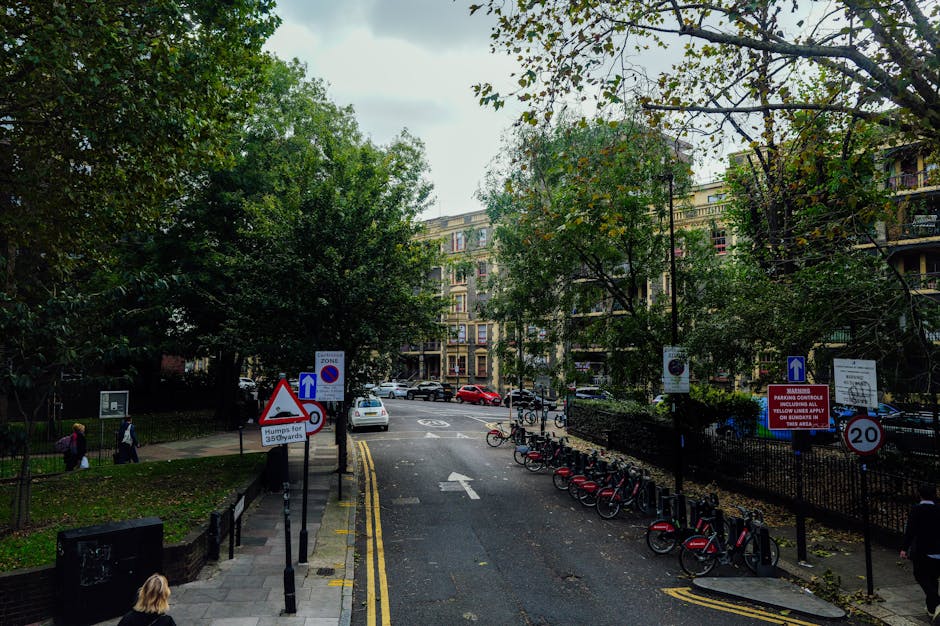
No-parking London flats: safe removals without a bay
Moving out of a London flat is rarely simple, but if you are dealing with No-parking London flats: safe removals without a bay, the challenge becomes very real very quickly. Narrow stairwells, busy roads, lift bookings, awkward corners, and that one neighbour who leaves a scooter exactly where the van should stand - it all adds up. The good news? A bay is helpful, yes, but it is not the whole story. With the right planning, the right vehicle positioning, and a crew that understands London access, you can move safely without creating chaos on the pavement or risking damage inside the building.
This guide breaks down how no-bay removals work, what to plan in advance, and how to keep the move efficient, safe, and calm. If you are comparing options or thinking about booking help, you can also review pricing and quote guidance, plus the company's insurance and safety information and health and safety policy for extra reassurance.
Key takeaway: no-parking removals are not about finding a perfect parking spot. They are about controlling risk, reducing lift-and-carry distance, and making sure every stage of the move is planned around the building you actually live in - not the one you wish you lived in.
Table of Contents
- Why no-parking London flats matter
- How a no-bay removal works
- Key benefits and practical advantages
- Who this is for and when it makes sense
- Step-by-step guidance
- Expert tips for better results
- Common mistakes to avoid
- Tools, resources and recommendations
- Law, compliance, standards, and best practice
- Options, methods, and comparison table
- Case study or real-world example
- Practical checklist
- Conclusion
- Frequently asked questions
Why No-parking London flats: safe removals without a bay Matters
London flats are often built for density, not for easy loading. That sounds obvious, but you only really feel it on move day, when the van can't sit neatly outside and the lift is already booked solid. In those situations, a move can still go smoothly - but only if the team plans for the lack of a bay from the start.
The main issue is not just parking. It is safe access. A removal team may need to work from a legal stopping point further away, carry furniture across a footway, manage turning points in a tight hall, and keep shared areas clear. If the team treats the job like a suburban house move, things go sideways fast. A sofa becomes a wall hazard, boxes start stacking in the lobby, and the whole building feels the strain.
That is why this topic matters for tenants, landlords, letting agents, and anyone moving in or out of a flat in a busy part of London. Whether you are on a side street in Camden, a busy road in Southwark, or a compact block near a tube station, the basics are the same: plan the access, protect the property, and reduce unnecessary lifting distance wherever possible.
To be fair, the phrase "no parking" sounds like a dead end. It is not. It just means the move has to be handled more intelligently. A good crew will think in terms of route planning, carry distance, safe loading order, building rules, and timing rather than simply hoping for a free space outside the door.
How No-parking London flats: safe removals without a bay Works
A successful no-bay flat removal usually starts long before the van arrives. The team needs a realistic picture of the building, the street, the access route, and the volume of items. If anything, this kind of move is more like a small logistics operation than a simple lift-and-load.
Here is what typically happens:
- Access is assessed in advance. This includes the street width, nearest legal stopping point, stair access, lift availability, and whether there are building restrictions.
- The load is planned. Heavy items, awkward shapes, and fragile belongings are grouped so they can be moved in the safest order.
- Parking strategy is chosen. That may mean short-term stopping, a nearby legal loading point, or working from a slightly longer carry distance.
- Protection is prepared. Floor runners, blankets, straps, and door protection help prevent scuffs and accidents.
- The move is executed in a controlled flow. Boxes, furniture, and appliances are removed in a sequence that keeps pathways open and reduces backtracking.
In a well-run removal, the lack of a dedicated bay does not create drama. It just means the crew needs to be more disciplined. And honestly, that discipline matters even more in London, where a short delay can turn into a long one if the street gets blocked by deliveries, taxis, or a bin collection truck that appears from nowhere. Happens all the time.
There is also a difference between parking and stopping. Some moves can be managed with a brief, lawful stop for loading while the team works quickly and safely. Others require a more distant position and a carrying plan. Either way, the goal is to keep the removal legal, safe, and efficient - not to gamble on luck.
Key Benefits and Practical Advantages
When people think about no-bay removals, they often focus on the inconvenience. That is understandable. But there are some real benefits to handling them properly.
- Less stress on move day: when the access plan is clear, there is less last-minute scrambling.
- Better protection for furniture and walls: fewer rushed turns means fewer knocks, scrapes, and dented corners.
- Lower risk of delays: a planned carry route is usually more reliable than waiting for a lucky parking space.
- Safer handling of heavy items: proper lift planning reduces strain and awkward lifting.
- Better communication with the building: neighbours, concierge staff, and management teams are less likely to be caught off guard.
- More realistic expectations: you know what the move involves, so the day feels manageable rather than mysterious.
One overlooked benefit is that a no-bay move often forces better packing habits. If you know items may need to be carried further, you tend to pack sturdier boxes, label them properly, and separate the essentials. That saves time later. It really does.
There is also a customer-experience angle here. A smooth, quiet move with minimal disruption can make a big difference in a flat block where people share entrances, lifts, and corridors. Nobody wants to be the person whose move blocks the landing for half an hour while everyone else waits. A little planning goes a long way.
Who This Is For and When It Makes Sense
This type of removal is relevant for a wide range of London residents. In practical terms, it makes sense whenever parking outside the building is limited, restricted, or simply not guaranteed.
- Tenants leaving a city-centre flat with no allocated bay
- Homeowners in mansion blocks or estates with strict access rules
- Students moving from shared accommodation on busy streets
- Landlords managing end-of-tenancy moves where timing is tight
- Older residents downsizing and needing careful handling of furniture and boxes
- Households with awkward or bulky items such as wardrobes, beds, or white goods
It also makes sense when the building itself creates access friction. Think narrow staircases, small lifts, concierge desks, gated courtyards, or loading areas that are too far from the flat to be convenient. If you have ever stood in a hall with a mattress and thought, "Right, and now what?" - this section is for you.
Truth be told, some of the most successful no-bay moves happen in places where the parking is the least predictable. The reason is simple: the planning is better. The team expects constraints and works around them instead of being surprised by them halfway through the morning.
Step-by-Step Guidance
If you want a safe move without a bay, the process should feel structured. Not rigid. Structured. There is a difference. Here is a practical way to approach it.
1. Check the building rules early
Before anything else, find out whether the building has loading instructions, lift booking rules, or restrictions on moving times. Some blocks are more flexible than others, but many London flats have quiet hours, service lift requirements, or concierge procedures that matter a lot on the day.
2. Measure the awkward bits
Measure large furniture, corridors, door widths, and stair turns if you can. Even rough numbers help. A sofa that fits in a living room can become a problem in a tight stairwell. You do not need architectural precision here, just enough to avoid the classic "it'll probably fit" mistake.
3. Decide what must be dismantled
Flat-pack furniture, bed frames, and some wardrobes move better in pieces. Dismantling a few items can reduce damage and make a no-bay carry far easier. Keep screws, fittings, and small parts in labelled bags. Future-you will be grateful.
4. Plan the loading order
Put the heaviest and most awkward items on the schedule first, when everyone is fresh. Smaller boxes can be stacked later, especially if they can be moved in a steady flow without blocking hallways.
5. Prepare the route
Clear the path inside the flat, then through the building, then out to the van. That means hallways, thresholds, lifts, entrance doors, and any shared areas. A few extra minutes of clearing can save a lot of awkward shuffling.
6. Protect the property
Use blankets, corner protection, and floor coverings where needed. In London flats, damage often happens not from the heavy item itself but from tight turns, low-light corners, and rushed repositioning. A stairwell at 8:15 in the morning can be surprisingly unforgiving.
7. Keep communication simple
One person should coordinate the move. Too many voices can make things messy, especially in a narrow entrance where everyone is trying to be helpful at once. Short instructions work best: "pause," "lift," "turn," "hold." Nice and plain.
8. Leave a little margin for the unexpected
Maybe the lift is already in use. Maybe a delivery van blocks the street. Maybe the weather turns and the pavement is slick. A little buffer helps the whole move breathe.
Expert Tips for Better Results
Small decisions make a big difference here. Most no-bay removals do not fail because of one massive error. They go wrong because of five small ones that add up.
- Book an earlier slot if possible. Morning moves often face less congestion on busy roads and in building entrances.
- Keep essential items separate. Documents, chargers, medication, keys, and a kettle - the basics - should not be buried in the last box.
- Use uniform box sizes where you can. They stack better, move more steadily, and are safer through narrow access.
- Label by room and priority. That helps the unloading stage immensely.
- Protect corners and doorframes before you start. Once damage happens, it is hard to unsee it.
- Ask about insurance and safe handling procedures. A proper operator should be able to explain how belongings and property are protected.
One practical tip many people miss: if your flat is on a busy road, try to avoid peak delivery windows where possible. Even if you do not know every local pattern, you can usually feel the pressure on the street. More vans. More braking. More people stepping around each other. You notice it straight away.
If you are comparing providers, it is worth checking how they handle payments and what is covered before you book. The company's payment and security information and terms and conditions can help clarify expectations before move day. That kind of admin is not exciting, granted, but it prevents headaches later.
Common Mistakes to Avoid
Let's face it: most moving problems are predictable. The same errors show up again and again, especially in London flats where access is tight and everyone is trying to move quickly.
- Assuming parking will sort itself out. It rarely does.
- Booking too late in the day. You increase the chance of traffic, tired lifting, and building congestion.
- Ignoring stair and lift constraints. A flat with no bay is often a flat with other access quirks too.
- Overpacking boxes. Heavy boxes slow everything down and make the carry riskier.
- Not measuring large furniture. That one wardrobe can dominate the whole move.
- Leaving last-minute packing until move morning. It creates avoidable pressure.
- Forgetting to tell the building or neighbours. Shared spaces need a bit of courtesy.
A smaller mistake, but still a real one, is underestimating how far the van may need to stop from the entrance. Even ten or fifteen extra metres can change the shape of the whole move. Not a disaster, but it matters. Especially if you are carrying a bed base in drizzle, which is about as fun as it sounds.
Tools, Resources and Recommendations
You do not need a warehouse of specialist gear to move safely without a bay, but a few practical tools can make the day much easier.
| Tool or resource | Why it helps | Best used for |
|---|---|---|
| Furniture blankets | Protects wood, upholstery, and wall edges | Tables, wardrobes, sofas, appliances |
| Straps and ties | Keeps items secure during lifting and transit | Stacking, van loading, awkward items |
| Floor protection | Reduces scuffs in hallways and entrances | Shared building routes |
| Labelled boxes | Makes unloading faster and less chaotic | Everyday household items |
| Dismantling kit | Helps take apart furniture safely | Beds, shelving, flat-pack pieces |
| Move plan and contact list | Keeps everyone aligned on the day | Building staff, movers, family members |
Useful resources are not always physical. Sometimes the most helpful thing is a clear quote, a clear explanation of access, and a clear understanding of what happens if conditions change. If you are still at the planning stage, reviewing who the team is and how they work can be just as useful as checking the van size.
If you care about waste reduction, it is also sensible to think about packing materials and unwanted items before move day. The company's recycling and sustainability information is relevant if you want a more responsible approach to disposal and reuse. Not every move needs to leave behind a pile of untouched cardboard and broken odds and ends, after all.
Law, Compliance, Standards, or Best Practice
For London flat removals, compliance is mostly about practical responsibility. You are usually dealing with local access conditions, building rules, and road use constraints rather than a single universal moving rule. That means the best approach is careful, cautious, and documented where needed.
Here are the main areas to keep in mind:
- Local stopping and loading conditions: Always use lawful stopping arrangements. Do not assume short stops are automatically fine just because the van is "only there for a minute."
- Building management rules: Many flats have their own procedures for lift use, moving times, and corridor protection.
- Health and safety: Safe lifting, clear routes, and appropriate equipment should be standard practice.
- Insurance: You want reassurance that belongings and property are handled in line with the operator's stated cover and procedures.
- Respect for shared spaces: Corridors, entrances, and communal areas need to be left tidy and unobstructed.
It is sensible to keep any specific enforcement details or permit requirements tied to the building or local authority in plain terms, because these can vary a lot across London. In other words, do not wing it. Ask, confirm, and plan.
If you want a fuller view of safety commitments, you can read the company's health and safety policy and insurance and safety information. These pages are useful if you want to understand how risk is handled rather than guessing on move day.
Options, Methods, or Comparison Table
There is no single "best" method for no-parking removals. The right choice depends on your flat, your street, and how much furniture you are moving. Here is a simple comparison that shows the trade-offs.
| Method | Best for | Pros | Watch out for |
|---|---|---|---|
| Short legal stop near the entrance | Quick moves, lighter loads, good access | Fast loading, less carrying | May depend on timing and traffic |
| Longer carry from a legal stopping point | Busy streets, no available bay, block access | Flexible and often realistic in London | More labour, more time, more care needed |
| Lift-assisted move with building access | Blocks with lift booking and service lift access | Less stair carrying, easier for bulky items | Lift restrictions can slow things down |
| Partial dismantling before move day | Large furniture, tight corners, awkward stairs | Reduces risk of damage and failed turns | Needs prep time and good labelling |
The right answer is often a mix of methods. For example, a small flat move might use a short stop, a couple of dismantled items, and a steady hand-carry through the lobby. A larger move may need a longer carry plan and more protection. There is no shame in that. It is just logistics.
Case Study or Real-World Example
Imagine a second-floor flat on a fairly busy London street, no allocated bay, no easy driveway access, and a lift that is technically available but only in certain hours. The tenant has a sofa, a bed, four medium boxes of books, a dining table, and assorted kitchen bits. Nothing outrageous. Nothing simple either.
The move is still very workable. Here is how it can go:
- The tenant clears the hallway the night before.
- Bulky items are measured and one bed frame is dismantled.
- Boxes are labelled by room so unloading is easy.
- The moving team identifies a legal stopping point a short walk away.
- Furniture protection is applied before anything leaves the flat.
- The heaviest pieces go out first while everyone is fresh.
- Communal areas are kept clear, and the route is checked before each larger item is moved.
The result is not glamorous, but it is smooth. No shouting in the stairwell. No desperate turning of a wardrobe at a weird angle. No scuffed walls that nobody wants to own up to. Just a controlled, practical move that gets the job done.
That sort of result is what good no-bay planning looks like. Not perfect, just properly handled.
Practical Checklist
Use this quick checklist before your moving day. It is simple, but it catches the big problems.
- Confirm whether the flat or building has parking, loading, or lift restrictions.
- Check if any move-in or move-out windows apply.
- Measure large furniture and awkward items.
- Decide what needs dismantling.
- Pack and label boxes by room.
- Set aside essentials for the first 24 hours.
- Clear hallways, entrances, and routes inside the flat.
- Protect floors, doors, and corners where needed.
- Share building access details with the movers.
- Review pricing, payment, and safety information in advance.
- Keep contact numbers handy on the day.
- Leave a little buffer for traffic and building delays.
Quick reassurance: if you are feeling behind, you are probably not as behind as you think. A focused hour of prep can rescue a surprising amount.
If you still need help deciding what level of support makes sense, checking pricing and quotes can help you compare options without guessing. And if you have questions before you book, use the contact page to ask about access, timing, and the realities of your building. That conversation is often where the move becomes much clearer.
Conclusion
No-parking London flat moves are not unusual. In fact, they are part of everyday London life. The trick is not to fight the building or the street, but to work with the access you have. When you plan the route, protect the property, and allow for a sensible carry strategy, a no-bay move becomes much more manageable than most people expect.
What matters most is realism. Measure what needs measuring, pack what needs packing, and ask the right questions before the van turns up. That is usually the difference between a stressful scramble and a calm, steady move.
And if you want a move that feels organised rather than improvised, start with clear information and a team that understands London flat access properly. Small preparation, big payoff. Honestly, it makes the whole day feel lighter.
Get a free quote today and see how much you can save.
Frequently Asked Questions
What does "no-parking London flats" actually mean?
It refers to flat removals where there is no dedicated parking bay or guaranteed space outside the building. The move still happens, but the vehicle may need to stop legally a short distance away, with items carried to and from the flat.
Can you do a removal safely without a bay?
Yes, if the access is planned properly. Safety depends on route planning, careful lifting, protection for the property, and a realistic loading strategy rather than the presence of a bay alone.
How far can items be carried from the van?
That depends on the item size, weight, route, weather, and available manpower. Short carry distances are ideal, but a longer walk can still be workable if the team plans for it and uses the right equipment.
Will no-parking removals take longer?
Often, yes. A longer carry or extra building checks can add time. That is why it helps to book a sensible slot and avoid leaving everything to the last minute.
Do I need to dismantle furniture before a flat move?
Not everything, but large or awkward items often move better when partially dismantled. Beds, shelving, and some wardrobes are common examples. It reduces the risk of damage and can make tight access much easier.
What if my building has strict lift booking rules?
Then those rules should be built into the plan from the start. Lift access can be a major factor in how long the move takes, so it is better to confirm the process early than to discover it on the day.
Is it more expensive to move without a parking bay?
It can be, depending on the extra time, labour, and access complexity involved. The best way to judge this is to request a clear quote that reflects your actual building and street conditions.
How can I protect communal areas during the move?
Use floor protection where needed, keep pathways clear, avoid blocking exits, and make sure furniture is handled carefully around corners and doors. Good communication with the building also helps.
What should I tell the removals team before move day?
Share the floor number, lift details, any access restrictions, building rules, large items, and whether parking is limited. The more accurate the picture, the easier it is to plan safely.
What is the biggest mistake people make with no-bay flat removals?
Assuming access will "sort itself out." In London, that approach usually leads to delays. A better plan is to confirm the route, check the building rules, and prepare for a legal stop or a longer carry if needed.
Can I book help even if I am not sure about parking yet?
Yes, but it is best to explain the uncertainty clearly. A good moving plan can often be built around a range of access scenarios, especially if you provide honest details early.
What should I do if parking is blocked on the day?
Stay calm and contact the moving team immediately. They may be able to adjust the stopping point, change the loading sequence, or work from a different access route. A little flexibility goes a long way.
If you want a clearer idea of who is handling the move and how they work, you can also review the company's about us page, plus the complaints procedure if you want to understand how issues are handled. For broader site information, the homepage and supporting policy pages are useful starting points. And if accessibility matters to you or a family member, the accessibility statement is worth a look too.
Moving day can feel a bit like a small storm before breakfast. But with the right plan, it passes, and the new place starts to feel like home sooner than you expect.