Shoreditch gallery move: fragile art, tight London timings
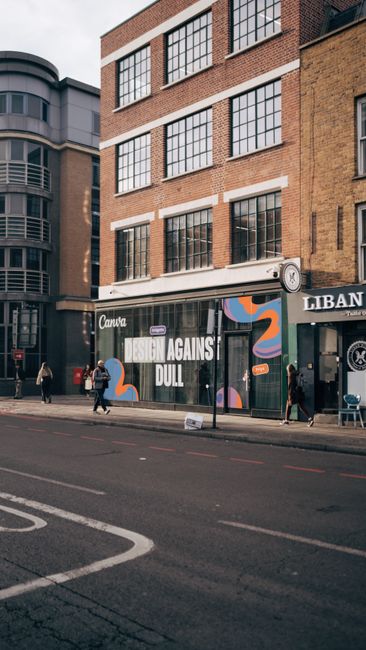
A Shoreditch gallery move is rarely just a straightforward lift-and-load job. You are usually dealing with fragile art, awkward access, narrow streets, tight loading windows, and a clock that seems to run faster than usual. One minute you are wrapping a framed print; the next, someone is asking whether the van can fit by the kerb before traffic builds again. Sound familiar?
This guide looks at Shoreditch gallery move: fragile art, tight London timings from the ground up. It explains how the process works, what can go wrong, which choices protect valuable work, and how to keep the move calm even when the schedule is unforgiving. If you are relocating a small independent space, a pop-up exhibition, or a larger commercial collection, the aim is the same: get the art there safely, on time, and with as little fuss as possible.
Let's be honest, in London the real challenge is often not the distance. It is the squeeze.
Why Shoreditch gallery move: fragile art, tight London timings Matters
Shoreditch is brilliant for galleries because it draws people in. It is creative, busy, visible, and full of spaces that can become something special. But that same energy makes moving awkward. Roads are shared with deliveries, cyclists, ride-hailing traffic, pedestrians, and the odd van that seems to appear out of nowhere. If your move misses its timing window, the whole day can unravel in minutes.
Fragile art adds another layer. Paintings, sculptures, framed photography, installations, lightboxes, plinths, and mixed-media pieces all have different handling needs. Some items can be braced quickly; others need specialised wrapping, custom crates, climate awareness, or a slower loading sequence. A rushed move can leave visible damage, hidden stress marks, or a lot of avoidable anxiety. Truth be told, nobody enjoys unwrapping a piece and spotting a fresh corner ding just before an opening.
Timing matters because galleries often move around exhibition schedules, install dates, lease handovers, or events. That means the move has to fit into a narrow operational gap. You may have decorators arriving, lighting crews waiting, or a curator needing access by early afternoon. In that sort of setting, good planning is not a luxury. It is the job.
Expert summary: A successful gallery move in Shoreditch is less about brute force and more about sequencing: protect the artwork first, then plan the route, then lock down the timing, and only then start loading.
There is also a reputational side. Galleries work on trust. Collectors, artists, and lenders notice how work is handled. Even a small move can shape confidence in your operation, and that matters for future exhibitions too.
How Shoreditch gallery move: fragile art, tight London timings Works
Most gallery relocations in this part of London follow the same broad pattern, though the details vary depending on the collection, the building, and the deadline. The key is to break the job into controlled stages instead of treating it like a single frantic shift.
1. Survey the collection and access points
Start with what is being moved. Measure larger works, identify fragile surfaces, note any special handling points, and separate pieces that need crates from pieces that can be wrapped. Then look at the building itself. Are there stairs? Narrow lifts? Controlled access? Street-level loading only? Those details change the whole plan.
In Shoreditch, access can be the hidden time thief. A five-minute carry becomes a twenty-minute carry if the lift is tiny or the only legal stop is a street away. You want to know that before moving day, not while someone is standing in the rain holding a canvas.
2. Plan the loading order
Load in the order that protects the items and supports the schedule. Fragile works should go in a stable, protected position in the van, not wherever there is space left over. Heavier or bulkier items can help anchor the load, but only if they do not crush or trap delicate pieces. A good crew thinks in layers, not just in boxes.
3. Match vehicle choice to the job
For a gallery move, vehicle size is a practical decision, not a vanity one. Too small and you create extra trips. Too large and you may face extra parking pressure or access issues on a tight street. In many cases, a nimble vehicle and an experienced team are more useful than a bigger van that turns the whole move into a parking puzzle.
If you are comparing options, a general moving service can be enough for mixed contents, while a more specialised commercial moves approach may suit a gallery with stock, office equipment, display furniture, and back-room contents all moving at once.
4. Protect the artwork properly
This is where the move either feels professional or slightly alarming. Use acid-free tissue where appropriate, corner protectors, soft wraps, rigid boards, and custom crates for items that need more than a blanket and hope. Keep labels visible. Keep orientation clear. If a piece should never lie flat, make that obvious before the van door closes.
5. Time the move around London conditions
Shoreditch is not a forgiving place to wing it. Traffic patterns change through the day, and even a short route can become slow in a hurry. Plan for the time of day, not just the distance. Early mornings are often kinder. Midday can be chaotic. Evening work may reduce some pressure, but then you need to think about building access, lighting, and staff availability.
A realistic timetable should include contingency space. Not too much, not too little. Just enough to absorb one awkward lift journey or one delayed parking space without everything slipping.
Key Benefits and Practical Advantages
When handled well, a gallery move becomes more than logistics. It supports the exhibition itself. You may not think of moving as part of the curatorial experience, but it absolutely is. A clean, calm relocation protects both the art and the mood around it.
- Lower risk of damage: Careful wrapping and controlled loading reduce scuffs, vibration damage, corner impacts, and pressure marks.
- Better timing control: A structured move keeps installation, opening, and handover schedules on track.
- Less staff disruption: Your team can focus on hanging, labelling, lighting, and front-of-house work instead of scrambling to solve transport issues.
- Cleaner chain of handling: Good labelling and item checks make it easier to know where each work is, who handled it, and when.
- More confidence for lenders and artists: Professional handling sends a useful signal, and that counts.
There is a quieter benefit too: peace of mind. Gallery teams often carry a lot of invisible pressure during install week. When the transport side is sorted, the whole day feels more manageable. You can hear yourself think, which is nice for a change.
Who This Is For and When It Makes Sense
This type of move suits anyone relocating art or exhibition materials in a busy London setting, especially where access is limited and timing matters. It is not only for large commercial galleries either. Smaller spaces often feel the squeeze even more because there is less room for error.
You will likely benefit from a gallery-focused move if you are:
- opening or closing an exhibition in Shoreditch
- moving between studios, storage, and exhibition space
- relocating framed works, sculptures, or installation materials
- handling a short-notice fit-out or de-installation
- working around a lease deadline, event, or lender return date
- combining gallery stock with back-office items and display furniture
It also makes sense if you have a small team and no appetite for heavy lifting before a deadline. To be fair, that is most teams. Even experienced staff can get caught out by one awkward staircase or one oversized crate.
If your move is more mixed-use than art-only, a broader office relocation services approach may help when you are also shifting desks, files, and equipment alongside the exhibition pieces. For a straightforward transport-only move, a reliable man with van option can be a practical fit, provided the items are packed and labelled properly.
Step-by-Step Guidance
If you want the move to feel controlled rather than chaotic, the best approach is to work through it methodically. A good plan is not fancy. It just works.
Step 1: Audit what is moving
Make a simple inventory. List artworks, crates, plinths, tools, packaging, signage, lighting accessories, and any fragile display items. Mark dimensions, special handling notes, and priority order. If there are lender instructions, keep them with the relevant item list.
Step 2: Separate by vulnerability
Group the collection by fragility and handling needs. A large framed print does not need the same treatment as a small bronze sculpture, and both differ from an installation with loose components. This is where a little sorting saves a lot of stress later.
Step 3: Confirm timing and access
Check the loading window, building access, lift availability, and any restrictions on street parking or waiting. London moves can fail for silly reasons, like a booking that looked fine on paper but collided with an event next door. It happens. More than people admit.
Step 4: Choose packing materials early
Gather wraps, tape, labels, soft blankets, board, crates, and edge protection before moving day. Do not leave materials to the last minute. That is how people end up improvising with whatever is left in a cupboard. Not ideal.
Step 5: Pack in the right sequence
Pack the most delicate pieces first, or at least the ones that require the most careful handling. Keep a clear logic: protected, labelled, loaded, checked. Every item should be traceable, and every crate should tell its own story at a glance.
Step 6: Load with stability in mind
Heavy items belong low and secure. Fragile items need space, padding, and restraint from shifting. Do not let soft items become loose fillers unless they are actually protecting something. The van is not a storage room. It is a moving environment, and it behaves like one.
Step 7: Check off items at departure and arrival
Count what leaves, count what arrives, and note any discrepancies immediately. If something looks off, stop and sort it before the rest of the day gets ahead of you. A few minutes here can save a very long evening later.
Step 8: Unload in reverse priority order
Take out what is needed first for installation, then the supporting materials, then the extras. If a work needs time to acclimatise after travel, give it that space. The last thing you want is a rushed uncrating job while someone is asking where the hanging kit has gone.
Expert Tips for Better Results
Experience teaches you a few things the hard way, so here are the bits that usually make the difference.
- Build in buffer time. London traffic and access delays are normal enough that you should plan for them, not pretend they will not happen.
- Photograph each item before packing. It helps with condition checks and gives you a clean record if a question comes up later.
- Use a consistent labelling system. Simple beats clever. Gallery team members should be able to read it instantly.
- Keep one person in charge of decisions. Too many voices at the loading bay can slow everything down.
- Protect surfaces from friction, not just impact. A lot of damage is not dramatic. It is small rubbing, shifting, or pressure over time.
- Confirm parking and access details twice. A quick re-check the day before can save you from a messy start.
One thing people underestimate is the emotional side of the move. Art is not just inventory. It is often borrowed, insured, curated, and deeply personal. When a team treats the work with care, everyone feels it. You can see shoulders drop a little.
If the move involves larger or heavier display items, the same common-sense approach applies to furniture and equipment. Helpful background on handling awkward loads can be found in guides like preventing damage to delicate heavy items and packing to maximise space and reduce damage, both of which translate well to gallery logistics.
Common Mistakes to Avoid
Most gallery move problems are not dramatic disasters. They are small avoidable mistakes that stack up. Here are the usual suspects.
- Underestimating access: A doorway that looks fine can still be awkward once a crate is in motion.
- Leaving timing too tight: If everything depends on one perfect run, you have no room for a delay.
- Packing by convenience rather than fragility: The easiest item to wrap is not always the easiest item to move.
- Mixing tools and artworks: A loose clamp or tool bag should never become a hazard in the same load as a delicate piece.
- Skipping item checks: If you do not verify the inventory, you may not notice a missing piece until the wrong moment.
- Using unsuitable wrapping: Some materials can mark surfaces or trap pressure. Use proper protective materials, not whatever is at hand.
Another common slip? Assuming the gallery team and the moving team are automatically aligned. Sometimes they are. Sometimes they are working from different assumptions. A five-minute briefing can prevent a very long misunderstanding. Slightly dull, very useful.
Tools, Resources and Recommendations
You do not need a warehouse of specialist kit to move a gallery well, but you do need the right basics. In practice, the kit list is usually more modest than people expect, just more carefully chosen.
Useful packing and handling tools
- strong cardboard or double-walled cartons for smaller items
- soft wraps and blankets for cushioning
- corner protectors for framed work
- rigid board or foam board for surface protection
- labels, markers, and inventory sheets
- tape that secures without damaging surfaces
- straps and load restraints for transit stability
Practical service options to consider
If the move is complex, you may need more than transport. Some galleries benefit from packing support, furniture disassembly, or temporary storage if the new space is not ready in time. A broader service such as packing and unpacking services can save time when the team is already stretched. If you need larger equipment or a more robust vehicle setup, moving truck or removal truck hire may be the better fit.
For collections that are not heading straight into display, short-term holding space can be useful. That said, storage should be planned carefully. Art does not like being forgotten in a corner and then rediscovered at the worst possible moment.
If your move is linked to a broader business transition, it can also help to read about avoiding delays in London office removals with minimal downtime and the practical lessons in same-day London move planning. Different context, same truth: timing is everything.
Law, Compliance, Standards, or Best Practice
Gallery moves in London are not usually heavy on formal red tape, but they do sit inside a wider set of good practice expectations. The practical side matters because careless handling can create safety issues, property damage, access problems, or disputes over responsibility.
At a minimum, a sensible move should consider:
- Health and safety: lifting, carrying, route planning, and keeping walkways clear
- Insurance and liability: checking what is covered during loading, transit, and unloading
- Building rules: lift protection, loading bay access, and any site-specific requirements
- Parking and waiting restrictions: particularly important in busy parts of Shoreditch
- Condition control: protecting items from impact, moisture, and preventable handling damage
If you want a clearer sense of how professional movers think about risk, it is worth reviewing an operator's health and safety policy and insurance and safety information. That sort of detail is not glamorous, but it matters. A lot.
Best practice also means being transparent about timing. If a driver is delayed, say so early. If a crate needs special handling, label it clearly. If a piece is valuable or delicate, do not rely on assumptions. Clarity is the cheapest protection you can buy.
Options, Methods, or Comparison Table
There is no single right way to move a gallery, but there are better and worse fits depending on the scale, the value of the items, and the speed you need. Here is a simple comparison to help you think it through.
| Method | Best for | Pros | Watch-outs |
|---|---|---|---|
| Self-managed move with hired van | Small, well-packed loads | Flexible, budget-friendly, direct control | Higher risk if staff lack packing or loading experience |
| Man and van with support | Moderate gallery moves with tight timings | Good for quick access, lighter coordination burden | May not suit very large or highly specialised collections |
| Full commercial move support | Larger relocations or mixed contents | Better planning, more hands, more structured process | Needs more lead time and clearer briefing |
| Packing-led move | Fragile works, short deadlines, lean teams | Improves protection, saves internal time | Can be unnecessary if items are already prepared |
As a rule of thumb, the more fragile the work and the tighter the timing, the more you want experience on the job. That does not mean a huge operation is always best. It means the move should match the risk. Simple, really.
Case Study or Real-World Example
Here is a realistic scenario from the kind of move that comes up often in Shoreditch. A small contemporary gallery needed to shift from one street-level space to another a short distance away. On paper, it sounded easy. Same neighbourhood, same day, same team. Then the details emerged: two large framed works, several boxed prints, a sculptural piece with an awkward base, and a narrow loading area shared with nearby businesses.
The team started by separating the work into three groups: delicate wall pieces, stable boxed items, and the sculpture. The framed works were wrapped first because they needed the most care and the longest handling time. The sculpture was secured for a two-person carry. Everything was labelled, photographed, and checked against a simple inventory sheet.
The route plan turned out to be the real win. Rather than aiming for a busy mid-morning slot, the move was pushed earlier, when the street was calmer and the loading bay was more usable. That one decision removed a lot of stress. There was still a bit of awkwardness, naturally. One lift door was slower than expected and someone briefly disappeared with the wrong roll of tape because of course they did. But the move stayed on track.
The best part? The gallery opened that evening without a scramble. The work was hung, the labels were right, and the team still had enough energy to deal with visitors properly. That is what good moving support buys you: not just transport, but breathing room.
Practical Checklist
Use this checklist before moving day. It is short on drama and strong on usefulness.
- Complete a full item list for artworks, display items, and support equipment
- Measure the largest pieces and confirm door, lift, and stair access
- Check the loading window, parking restrictions, and travel time
- Choose wrapping and crates based on item fragility
- Label each piece clearly with destination and handling notes
- Photograph condition before packing
- Assign one person to sign off inventory at departure and arrival
- Prepare installation essentials separately for quick access
- Build in contingency time for London delays
- Confirm insurance, safety, and responsibility details in advance
- Keep a contact list for gallery staff, movers, and building management
- Make sure the route to the van is clear before loading starts
If you are pressed for time, focus on the first five items. They do most of the heavy lifting, so to speak.
Conclusion
A Shoreditch gallery move is a balancing act. Fragile art needs careful handling, London timings need real discipline, and the street outside may have its own ideas. The good news is that a calm, well-sequenced plan can make even a tight move feel manageable.
Start with the collection. Respect the access. Allow for traffic. Use the right packing method. Keep communication simple. That is the heart of it. When those pieces are in place, the move stops feeling like a gamble and starts feeling like a process you can trust.
If you are preparing a gallery relocation and want a clearer, lower-stress route through the day, the best next step is to get the logistics pinned down early rather than later. A bit of planning now can save a lot of scraping around at the end.
Get a free quote today and see how much you can save.
And if you do it properly, you will notice something satisfying on moving day: the art arrives intact, the timing holds, and everyone can exhale a little.
Frequently Asked Questions
What makes a Shoreditch gallery move different from a normal removal?
The main difference is the combination of fragile items, tight scheduling, and tricky access. A normal move may focus on volume, but a gallery move focuses on protection, sequencing, and timing. In Shoreditch, the street environment adds another layer, especially when loading space is limited.
How do you protect fragile art during a London move?
Use proper wrapping, corner protection, rigid support where needed, and secure loading so items cannot shift. For very delicate or valuable pieces, custom crates may be the safest option. It is also wise to photograph condition before packing and label each item clearly.
How far in advance should a gallery move be planned?
The earlier the better, especially if you have a fixed installation date or limited access window. Even short local moves benefit from early planning because parking, building access, and packing materials can all affect the day. If the timetable is tight, do not leave it to the last minute.
Can a man and van service handle fragile gallery pieces?
Yes, if the team is experienced, the items are packed properly, and the move size suits that setup. For smaller gallery loads or short local relocations, it can be a practical option. For larger collections or more complex installs, a more structured moving plan may be better.
What is the biggest risk in a Shoreditch gallery relocation?
The biggest risk is usually a mix of time pressure and access problems. Damage can happen, of course, but delays often create the conditions for damage and stress. A late start, a blocked loading space, or poor labelling can quickly snowball.
Do I need special insurance for artwork in transit?
You should always check what cover is in place before moving valuable items. Insurance arrangements vary, so do not assume everything is covered by default. Confirm what applies during packing, loading, transit, and unloading, and make sure everyone involved understands the scope.
What should be packed first in a gallery move?
Usually the most fragile and time-consuming items should be packed first, along with anything that needs special crating. This gives you room to work carefully instead of rushing at the end. Supporting items like tools and hanging kit should be kept separate and easy to access.
How do you deal with narrow streets and loading restrictions in Shoreditch?
Plan for them rather than hoping they disappear. Check access times, loading options, and the likely traffic pattern before the move. A smaller, more manoeuvrable vehicle can sometimes be more useful than a larger one if the street is tight.
Is packing support worth it for a gallery move?
Often yes, especially if your team is small or the items are delicate. Professional packing can save time, reduce handling errors, and improve protection for the works. It is one of those services that can feel optional until you really need it.
What is the best way to avoid delays on moving day?
Confirm access details, prepare all materials in advance, label everything clearly, and build in buffer time. A short pre-move briefing also helps. It sounds simple because it is simple, and simple tends to work best under pressure.
Can I move gallery stock and office items together?
Yes, though it helps to separate them into clear categories and prioritise the fragile items first. Mixed loads are common in gallery relocations because there is often office equipment, storage stock, and display furniture involved too. The key is not to blur the handling requirements.
What should I do if one artwork needs to stay behind temporarily?
Mark it clearly, update the inventory, and store it safely in a place that is easy to track. Temporary split moves happen more often than people expect. The important thing is not to let it become an afterthought once the main load is gone.